Many people begin exploring aesthetic care after noticing changes they did not expect to happen so quickly. Skin may feel thinner, less firm, or uneven in tone. Fine lines deepen, especially around the eyes or mouth. Makeup settles differently. Photos look harsher than they used to.
Searches often start with questions like “How do I tighten my skin without surgery?” or “What really works for sun damage and wrinkles?” At MediAesthetics, the aesthetic division of Elite Care Clinic in Irving, these questions guide how care is planned.
Rather than offering a single solution for every concern, aesthetic care is approached as a clinical process — matching treatments to the specific problem the patient is trying to solve.
[Image: Patient reviewing skin concerns with medical aesthetic provider]
Why Skin Changes Over Time (and Why One Treatment Rarely Fixes Everything)
Skin aging is not caused by one factor. Most visible changes are the result of several processes happening at once, including:
- Gradual collagen and elastin loss
- Cumulative sun exposure
- Slower skin cell turnover
- Hormonal changes that affect skin thickness and hydration
Because these processes overlap, a treatment that improves texture may not significantly improve laxity, and a treatment that tightens skin may not fully address discoloration. Understanding which issue is driving the concern is key to choosing the right non-surgical approach.
Common Aesthetic Concerns Patients Search For
Patients who come to MediAesthetics often arrive after weeks or months of online research. The most common concerns we hear — and that people actively search for — include:
- Wrinkles and fine lines, especially around the eyes and mouth
- Loose or sagging skin in the face, jawline, or neck
- Sun damage and uneven skin tone
- Under-eye texture changes or crepey skin
- Desire for facial rejuvenation without surgery or injections
Each concern requires a different strategy, even when symptoms overlap.
[Image: Facial skin analysis and consultation]
How Non-Surgical Aesthetic Treatments Address These Concerns
Non-surgical aesthetic care focuses on stimulating the body’s own repair mechanisms rather than replacing tissue surgically. Depending on the concern, treatment plans may aim to:
- Encourage collagen remodeling to improve firmness
- Improve skin tone and texture by addressing sun damage
- Support gradual tightening in areas prone to laxity
- Enhance skin quality without altering facial structure
At MediAesthetics, treatment selection is based on mechanism of action, not trends. This allows Dr. Gamboa to match the technology to the problem rather than forcing multiple concerns into a single procedure.
What “Skin Tightening Without Surgery” Actually Means
Many patients search for non-surgical skin tightening expecting dramatic lifting. In reality, non-surgical options work more subtly and progressively.
Skin tightening treatments are designed to:
- Improve firmness over time
- Support collagen production
- Reduce mild to moderate laxity
They are not a substitute for surgery, but for the right patient, they can meaningfully improve skin quality and delay the need for more invasive procedures.
Treating Sun Damage and Uneven Skin Tone
Sun damage often shows up as discoloration, rough texture, or uneven pigmentation. Addressing this requires treatments that target the upper layers of the skin while preserving overall skin health.
A thoughtful approach may include:
- Gradual resurfacing rather than aggressive correction
- Spacing treatments to allow proper healing
- Ongoing skin care guidance to protect results
Because sun damage accumulates over years, improvement is typically measured over multiple sessions, not a single visit.
[Image: Before consultation discussion of sun damage concerns]
Why Medical Oversight Matters in Aesthetic Care
Receiving aesthetic treatments within a medical clinic provides an added layer of safety and context. At Elite Care Clinic, aesthetic care is informed by broader health considerations such as:
- Hormonal changes that affect skin elasticity
- Medications that influence healing or sensitivity
- Underlying conditions that impact inflammation or recovery
This integrated approach helps ensure treatments are appropriate and timed correctly, especially for patients in their late 30s, 40s, and beyond.
What to Expect From a Consultation
A consultation is not a commitment to treatment. It is an opportunity to clarify what is happening with your skin and what options, if any, make sense.
During a consultation, patients can expect:
- A review of their primary concerns and goals
- An explanation of which skin changes are treatable and which require maintenance
- A discussion of realistic timelines and limitations
This transparency helps patients make informed decisions without pressure.
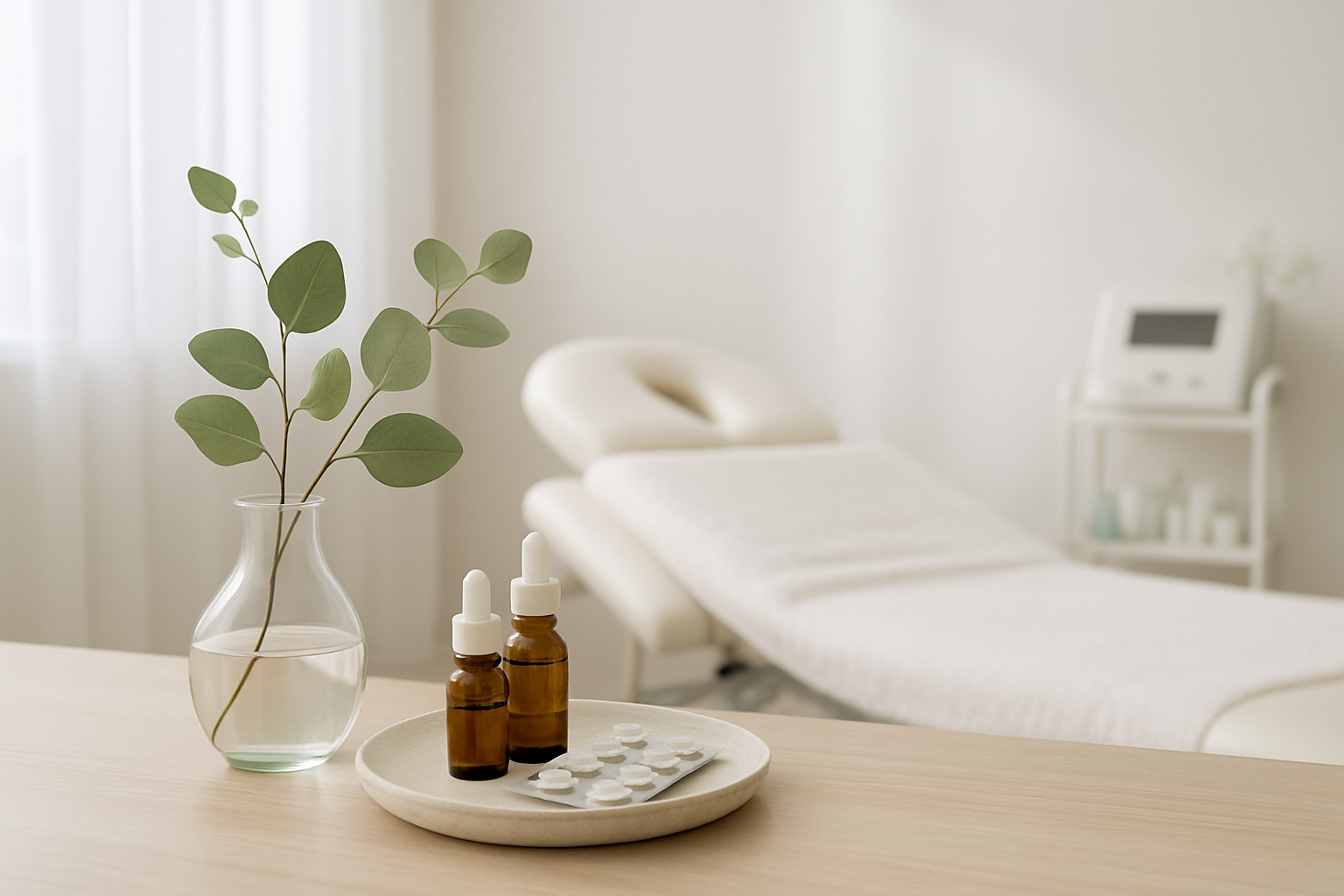
[Image: Calm, professional aesthetic consultation environment]
Next Steps
If you are searching for non-surgical ways to address wrinkles, skin laxity, sun damage, or overall skin quality, a consultation can help determine whether aesthetic treatment is appropriate — and which approach aligns with your goals.
MediAesthetics works within Elite Care Clinic to provide medically guided, conservative aesthetic care focused on clarity and long-term skin health.
To explore your options, schedule a consultation with Elite Care Clinic to discuss non-surgical aesthetic care in Irving.
Frequently Asked Questions
1. Do non-surgical treatments really help with skin tightening?
They can improve firmness and skin quality for mild to moderate laxity. Results are gradual and vary by individual.
2. How many sessions are usually needed?
This depends on the concern being treated and the technology used. Many plans involve multiple sessions spaced over time.
3. Can aesthetic treatments fix sun damage completely?
Sun damage can often be improved, but not erased entirely. Ongoing skin care and sun protection are important for maintaining results.
4. Is there downtime with non-surgical treatments?
Downtime varies. Some treatments have minimal recovery, while others may involve temporary redness or sensitivity.
5. When should someone consider a consultation?
If changes in skin texture, tone, or firmness are becoming noticeable or bothersome, a consultation can help clarify next steps.